mercredi 16 octobre 2013

How to Lose Weight and Keep It Off

| Leave a comment...0 commentaires

Healthy Weight Loss & Dieting Tips

  • How to Lose Weight and Keep It Off

Healthy Weight LossIn our eat-and-run, massive-portion-sized culture, maintaining a healthy weight can be tough—and losing weight, even tougher. If you’ve tried and failed to lose weight before, you may believe that diets don’t work for you. You’re probably right: traditional diets don’t work—at least not in the long term. However, there are plenty of small but powerful ways to avoid common dieting pitfalls, achieve lasting weight loss success, and develop a healthier relationship with food.


The key to successful, healthy weight loss

Your weight is a balancing act, but the equation is simple: If you eat more calories than you burn, you gain weight. And if you eat fewer calories than you burn, you lose weight.
Since 3,500 calories equals about one pound of fat, if you cut 500 calories from your typical diet each day, you'll lose approximately one pound a week (500 calories x 7 days = 3,500 calories). Simple, right? Then why is weight loss so hard?
All too often, we make weight loss much more difficult than it needs to be with extreme diets that leave us cranky and starving, unhealthy lifestyle choices that undermine our dieting efforts, and emotional eating habits that stop us before we get started. But there’s a better way! You can lose weight without feeling miserable. By making smart choices every day, you can develop new eating habits and preferences that will leave you feeling satisfied—and winning the battle of the bulge.

Getting started with healthy weight loss

While there is no “one size fits all” solution to permanent healthy weight loss, the following guidelines are a great place to start:
  • Think lifestyle change, not short-term diet. Permanent weight loss is not something that a “quick-fix” diet can achieve. Instead, think about weight loss as a permanent lifestyle change—a commitment to your health for life. Various popular diets can help jumpstart your weight loss, but permanent changes in your lifestyle and food choices are what will work in the long run.
  • Find a cheering section. Social support means a lot. Programs like Jenny Craig and Weight Watchers use group support to impact weight loss and lifelong healthy eating. Seek out support—whether in the form of family, friends, or a support group—to get the encouragement you need.
  • Slow and steady wins the race. Aim to lose one to two pounds a week to ensure healthy weight loss. Losing weight too fast can take a toll on your mind and body, making you feel sluggish, drained, and sick. When you drop a lot of weight quickly, you’re actually losing mostly water and muscle, rather than fat.
  • Set goals to keep you motivated. Short-term goals, like wanting to fit into a bikini for the summer, usually don’t work as well as wanting to feel more confident or become healthier for your children’s sakes. When frustration and temptation strike, concentrate on the many benefits you will reap from being healthier and leaner.
  • Use tools that help you track your progress. Keep a food journal and weigh yourself regularly, keeping track of each pound and inch you lose. By keeping track of your weight loss efforts, you’ll see the results in black and white, which will help you stay motivated.
Keep in mind it may take some experimenting to find the right diet for your individual body. It’s important that you feel satisfied so that you can stick with it on a long-term basis. If one diet plan doesn’t work, then try another one. There are many ways to lose weight. The key is to find what works for you.

Where you carry your fat matters

The health risks are greater if you tend to carry your weight around your abdomen, as opposed to your hips and thighs. A lot of belly fat is stored deep below the skin surrounding the abdominal organs and liver, and is closely linked to insulin resistance and diabetes. Calories obtained from fructose (found in sugary beverages such as soda and processed foods like doughnuts, muffins, and candy) are more likely to add to this dangerous fat around your belly. Cutting back on sugary foods can mean a slimmer waistline and lower risk of disease.

Healthy dieting and weight loss tip #1: Avoid common pitfalls

Diets, especially fad diets or “quick-fix” pills and plans, often set you up for failure because:
  • You feel deprived. Diets that cut out entire groups of food, such as carbs or fat, are simply impractical, not to mention unhealthy. The key is moderation.
  • You lose weight, but can’t keep it off. Diets that severely cut calories, restrict certain foods, or rely on ready-made meals might work in the short term but don’t include a plan for maintaining your weight, so the pounds quickly come back.
  • After your diet, you seem to put on weight more quickly. When you drastically restrict your food intake, your metabolism will temporarily slow down. Once you start eating normally, you’ll gain weight until your metabolism bounces back.
  • You break your diet and feel too discouraged to try again. When diets make you feel deprived, it’s easy to fall off the wagon. Healthy eating is about the big picture. An occasional splurge won’t kill your efforts.
  • You lose money faster than you lose weight. Special shakes, meals, and programs are not only expensive, but they aren’t practical for long-term weight loss.
  • You feel lost when dining out. If the food served isn’t on your specific diet plan, what can you do?
  • The person on the commercial lost 30 lbs. in two months—and you haven’t.Diet companies make a lot of grandiose promises, and most are simply unrealistic.

Low-carbohydrate: Quick weight loss but long-term safety questions

Dr. Atkins’ Diet Revolution launched the low-carbohydrate diet craze, focusing largely on high-protein meats and full-fat dairy products, while banishing carbohydrates such as bread, rice, and pasta. One popular permutation of the low-carb diet is the South Beach diet, which also restricts carbohydrates but favors healthier, unsaturated fats found in nuts and fish, and allows more whole grains, fruits, and vegetables.
The low-carb eating strategy is based on the theory that people who eat carbohydrates take in more calories and gain weight, while people on a high-fat diet eat less and lose weight. However, low-carbohydrate diets tend to cause dehydration by shedding pounds as urine. The result is rapid weight loss, but after a few months, weight loss tends to slow and reverse, just as happens with other diets.
The American Heart Association cautions people against the Atkins diet, because it is too high in saturated fat and protein, which can be hard on the heart, kidneys, and bones. The lack of fruits and vegetables is also worrisome, because these foods tend to lower the risk of stroke, dementia, and certain cancers. Most experts believe South Beach and other, less restrictive low-carbohydrate diets offer a more reasonable approach.
Adapted with permission from Lose Weight and Keep It Off, a special health report published by Harvard Health Publications.

Healthy dieting and weight loss tip #2: Put a stop to emotional eating

Put a Stop to Emotional EatingWe don’t always eat simply to satisfy hunger. If we did, no one would be overweight. All too often, we turn to food for comfort and stress relief. When this happens, we frequently pack on pounds.
Do you reach for a snack while watching TV? Do you eat when you’re stressed or bored? When you’re lonely? Or to reward yourself? Recognizing your emotional eating triggers can make all the difference in your weight loss efforts:
  • If you eat when you’re stressed, find healthier ways to calm yourself. Try exercise, yoga, meditation, or soaking in a hot bath.
  • If you eat when you’re feeling low on energy, find other mid-afternoon pick-me-ups. Try walking around the block, listening to energizing music, or taking a short nap.
  • If you eat when you’re lonely or bored, reach out to others instead of reaching for the refrigerator. Call a friend who makes you laugh, take your dog for a walk, or go out in public (to the library, mall, or park—anywhere there’s people).

Healthy dieting and weight loss tip #3: Tune in when you eat

We live in a fast-paced world where eating has become mindless. We eat on the run, at our desk while we’re working, and in front of the TV screen. The result is that we consume much more than we need, often without realizing it.
Counter this tendency by practicing “mindful” eating: pay attention to what you eat, savor each bite, and choose foods that are both nourishing and enjoyable.

Mindful eating weight loss tips

  • Pay attention while you’re eating. Instead of chowing down mindlessly, savor the experience. Eat slowly, savoring the smells and textures of your food. If your mind wanders, gently return your attention to your food and how it tastes and feels in your mouth.
  • Avoid distractions while eating. Try not to eat while working, watching TV, or driving. It’s too easy to mindlessly overeat.
  • Chew your food thoroughly. Try chewing each bite 30 times before swallowing. You’ll prolong the experience and give yourself more time to enjoy each bite.
  • Try mixing things up to force yourself to focus on the experience of eating. Try using chopsticks rather than a fork, or use your utensils with your non-dominant hand.
  • Stop eating before you are full. It takes time for the signal to reach your brain that you’ve had enough. Avoid the temptation to clean your plate. Yes, there are children starving in Africa, but your weight gain won’t help them.

Healthy dieting and weight loss tip #4: Fill up with fruit, veggies, and fiber

To lose weight, you have to eat fewer calories. But that doesn’t necessarily mean you have to eat less food. You can fill up while on a diet, as long as you choose your foods wisely.

Fiber: the secret to feeling satisfied while losing weight

High-fiber foods are higher in volume and take longer to digest, which makes them filling. There’s nothing magic about it, but the weight-loss results may seem like it.
High-fiber heavyweights include:
  • Fruits and vegetables – Enjoy whole fruits across the rainbow (strawberries, apples, oranges, berries, nectarines, plums), leafy salads, and green veggies of all kinds.
  • Beans – Select beans of any kind (black beans, lentils, split peas, pinto beans, chickpeas). Add them to soups, salads, and entrees, or enjoy them as a hearty dish on their own.
  • Whole grains – Try high-fiber cereal, oatmeal, brown rice, whole-wheat pasta, whole-wheat or multigrain bread, and air-popped popcorn.

Focus on fresh fruits and veggies

Focus on fruits and veggiesCounting calories and measuring portion sizes can quickly become tedious, but you don’t need an accounting degree to enjoy fresh fruit and vegetables. It’s generally safe to eat as much as you want, whenever you want.
The high water and fiber content in most fresh fruits and vegetables makes them hard to overeat. You’ll feel full long before you’ve overdone it on the calories.


  • Eat vegetables raw or steamed, not fried or breaded, and dress them with herbs and spices or a little olive oil or cheese for flavor.
  • Add nuts and cheese to salads but don’t overdo it. Use low-fat salad dressings, such as a vinaigrette made with olive oil.
  • Pour a little less cereal into your morning bowl to make room for some blueberries, strawberries, or sliced bananas. You’ll still enjoy a full bowl, but with a lower calorie count.
  • Swap out some of the meat and cheese in your sandwich with healthier veggie choices like lettuce, tomatoes, sprouts, cucumbers, and avocado.
  • Instead of a high-calorie snack, like chips and dip, try baby carrots or celery with hummus.
  • Add more veggies to your favorite main courses to make your dish “go” further. Even dishes such as pasta and stir-fries can be diet-friendly if you use less noodles and more vegetables.
  • Try starting your meal with a salad or soup to help fill you up, so you eat less of your entrée.

Healthy dieting and weight loss tip #5: Indulge without overindulging

Try not to think of certain foods as "off limits"

When you ban certain foods, it is natural to want those foods more, and then feel like a failure if you give in to temptation. Instead of denying yourself the unhealthy foods you love, simply eat them less often.
If you’ve ever found yourself polishing off a pint of ice cream or stuffing yourself with cookies or chips after spending a whole day virtuously eating salads, you know how restrictive diet plans usually end. Deprivation diets set you up for failure: you starve yourself until you snap, and then you overdo it, cancelling out all your previous efforts.
In order to successfully lose weight and keep it off, you need to learn how to enjoy the foods you love without going overboard. A diet that places all your favorite foods off limits won’t work in the long run. Eventually, you’ll feel deprived and will cave. And when you do, you probably won’t stop at a sensible-sized portion.

Tips for enjoying treats without overeating

  • Combine your treat with other healthy foods. You can still enjoy your favorite high-calorie treat, whether it’s ice cream, chips, cake, or chocolate. The key is to eat a smaller serving along with a lower-calorie option. For example, add strawberries to your ice cream or munch on carrot and celery sticks along with your chips and dip. By piling on the low-cal option, you can eat a diet-friendly portion of your favorite treat without feeling deprived.
  • Schedule your treats. Establish regular times when you get to indulge in your favorite food. For example, maybe you enjoy a small square of chocolate every day after lunch, or a slice of cheesecake every Friday evening. Once you’re conditioned to eat your treat at those times—and those times only—you’ll stop obsessing about them at other times.
  • Make your indulgence less indulgent. Find ways to reduce fat, sugar, or calories in your favorite treats and snacks. If you do your own baking, cut back on sugar, making up for it with extra cinnamon or vanilla extract. You can also eliminate or reduce high-calorie sides, like whipped cream, cheese, dip, and frosting.
  • Engage all your senses—not just your taste sense. You can make snack time more special by lighting candles, playing soothing music, or eating outdoors in a beautiful setting. Get the most pleasure—and the most relaxation—out of your treat by cutting it into small pieces and taking your time.

Healthy dieting and weight loss tip #6: Take charge of your food environment

Your weight loss efforts will succeed or fail based largely on your food environment. Set yourself up for success by taking charge of your food environment: when you eat, how much you eat, and what foods are available.
  • Eat early, weigh less. When you eat—as well as how much—may also affect your weight. Early studies suggest that consuming more of your daily calories at breakfast and fewer at dinner can help you drop more pounds. Eating a larger, healthy breakfast can jump start your metabolism, stop you feeling hungry during the day, and give you more time to burn off the calories.
  • Serve yourself smaller portions. One easy way to control portion size is by using small plates, bowls, and cups. This will make your portions appear larger. Don’t eat out of large bowls or directly from the food container or package, which makes it difficult to assess how much you’ve eaten. Using smaller utensils, like a teaspoon instead of tablespoon, can slow eating and help you feel full sooner.
  • Plan your meals and snacks ahead of time. You will be more inclined to eat in moderation if you have thought out healthy meals and snacks in advance. You can buy or create your own small portion snacks in plastic bags or containers. Eating on a schedule will also help you avoid eating when you aren’t truly hungry.
  • Cook your own meals. Cooking meals at home allows you to control both portion size and what goes in to the food. Restaurant and packaged foods generally contain a lot more sodium, fat, and calories than food cooked at home—plus the portion sizes tend to be larger.
  • Don’t shop for groceries when you’re hungry. Create a shopping list and stick to it. Be especially careful to avoid high-calorie snack and convenience foods.
  • Out of sight, out of mind. Limit the amount of tempting foods you have at home. If you share a kitchen with non-dieters, store snack foods and other high-calorie indulgences in cabinets or drawers out of your sight.
  • Fast for 14 hours a day. Try to eat your last meal earlier in the day and then fast until breakfast the next morning. Studies suggest that this simple dietary adjustment—eating only when you’re most active and giving your digestive system a long break each day—may help you to lose weight.

Soda: The Secret Diet Saboteur

Soda: The Secret Diet SabotagerSoft drinks (including soda, energy drinks, and coffee drinks) are a huge source of calories in many people’s diets. One can of soda contains between 10-12 teaspoons of sugar and around 150 calories, so a few soft drinks can quickly add up to a good portion of your daily calorie intake.
Switching to diet soda isn’t the answer either, as studies suggest that it triggers sugar cravings and contributes to weight gain. Instead, try switching to water with lemon, unsweetened iced tea, or carbonated water with a splash of juice.

Healthy dieting and weight loss tip #7: Make healthy lifestyle changes

You can support your dieting efforts by making healthy lifestyle choices.
  • Get plenty of exercise. Exercise is a dieter’s best friend. It not only burns calories, but also can improve your resting metabolism. No time for a long workout? Research shows that three 10-minute spurts of exercise per day are just as good as one 30-minute workout.
  • Turn off the TV. You actually burn less calories watching television than you do sleeping! If you simply can’t miss your favorite shows, get a little workout in while watching. Do easy exercises like squats, sit-ups, jogging in place, or using resistance bands or hand weights.
  • Drink more water. Reduce your daily calorie intake by replacing soda, alcohol, or coffee with water. Thirst can also be confused with hunger, so by drinking water, you may avoid consuming extra calories.

How lack of sleep can wreck your diet

Lack of sleep has been shown to have a direct link to hunger, overeating, and weight gain. Two hormones in your body regulate normal feelings of hunger and fullness. Ghrelin stimulates appetite, while leptin sends signals to the brain when you are full. However, when you’re short on sleep, your ghrelin levels go up, stimulating your appetite so you want more food than normal, and your leptin levels go down, meaning you don’t feel satisfied and want to keep eating. This can lead to overeating and, ultimately, weight gain.
To keep your diet on track, try to get about eight hours of quality sleep a night.

Easy Tips for Planning a Healthy Diet & Sticking to It

| Leave a comment...0 commentaires

 Healthy Eating

  • Easy Tips for Planning a Healthy Diet & Sticking to It

Healthy Eating: Guide to New Food Pyramids and Tips for a Healthy DietHealthy eating is not about strict nutrition philosophies, staying unrealistically thin, or depriving yourself of the foods you love. Rather, it’s about feeling great, having more energy, stabilizing your mood, and keeping yourself as healthy as possible—all of which can be achieved by learning some nutrition basics and using them in a way that works for you. You can expand your range of healthy food choices and learn how to plan ahead to create and maintain a tasty, healthy diet.


Healthy eating tip 1: Set yourself up for success

To set yourself up for success, think about planning a healthy diet as a number of small, manageable steps rather than one big drastic change. If you approach the changes gradually and with commitment, you will have a healthy diet sooner than you think.
  • Simplify. Instead of being overly concerned with counting calories or measuring portion sizes, think of your diet in terms of color, variety, and freshness. This way it should be easier to make healthy choices. Focus on finding foods you love and easy recipes that incorporate a few fresh ingredients. Gradually, your diet will become healthier and more delicious.
  • Start slow and make changes to your eating habits over time. Trying to make your diet healthy overnight isn’t realistic or smart. Changing everything at once usually leads to cheating or giving up on your new eating plan. Make small steps, like adding a salad (full of different color vegetables) to your diet once a day or switching from butter to olive oil when cooking.  As your small changes become habit, you can continue to add more healthy choices to your diet.
  • Every change you make to improve your diet matters. You don’t have to be perfect and you don’t have to completely eliminate foods you enjoy to have a healthy diet. The long term goal is to feel good, have more energy, and reduce the risk of cancer and disease. Don’t let your missteps derail you—every healthy food choice you make counts.

Think of water and exercise as food groups in your diet.

Water. Water helps flush our systems of waste products and toxins, yet many people go through life dehydrated—causing tiredness, low energy, and headaches. It’s common to mistake thirst for hunger, so staying well hydrated will also help you make healthier food choices.
Exercise. Find something active that you like to do and add it to your day, just like you would add healthy greens, blueberries, or salmon. The benefits of lifelong exercise are abundant and regular exercise may even motivate you to make healthy food choices a habit.

Healthy eating tip 2: Moderation is key

Harvard Healthy Eating PlatePeople often think of healthy eating as an all or nothing proposition, but a key foundation for any healthy diet is moderation. But what is moderation? How much is a moderate amount? That really depends on you and your overall eating habits. The goal of healthy eating is to develop a diet that you can maintain for life, not just a few weeks or months, or until you've hit your ideal weight. So try to think of moderation in terms of balance. Despite what certain fad diets would have you believe, we all need a balance of carbohydrates, protein, fat, fiber, vitamins, and minerals to sustain a healthy body.
For most of us, moderation or balance means eating less than we do now. More specifically, it means eating far less of the unhealthy stuff (refined sugar, saturated fat, for example) and more of the healthy (such as fresh fruit and vegetables). But it doesn't mean eliminating the foods you love. Eating bacon for breakfast once a week, for example, could be considered moderation if you follow it with a healthy lunch and dinner—but not if you follow it with a box of donuts and a sausage pizza. If you eat 100 calories of chocolate one afternoon, balance it out by deducting 100 calories from your evening meal. If you're still hungry, fill up with an extra serving of fresh vegetables.
  • Try not to think of certain foods as “off-limits.” When you ban certain foods or food groups, it is natural to want those foods more, and then feel like a failure if you give in to temptation. If you are drawn towards sweet, salty, or unhealthy foods, start by reducing portion sizes and not eating them as often. Later you may find yourself craving them less or thinking of them as only occasional indulgences.
  • Think smaller portions. Serving sizes have ballooned recently, particularly in restaurants. When dining out, choose a starter instead of an entree, split a dish with a friend, and don't order supersized anything. At home, use smaller plates, think about serving sizes in realistic terms, and start small. If you don't feel satisfied at the end of a meal, try adding more leafy green vegetables or rounding off the meal with fresh fruit. Visual cues can help with portion sizes–your serving of meat, fish, or chicken should be the size of a deck of cards, a slice of bread should be the size of a CD case, and half a cup of mashed potato, rice, or pasta is about the size of a traditional light bulb.

Healthy eating tip 3: It's not just what you eat, it's how you eat

Healthy EatingHealthy eating is about more than the food on your plate—it is also about how you think about food. Healthy eating habits can be learned and it is important to slow down and think about food as nourishment rather than just something to gulp down in between meetings or on the way to pick up the kids.


  • Eat with others whenever possible. Eating with other people has numerous social and emotional benefits—particularly for children—and allows you to model healthy eating habits. Eating in front of the TV or computer often leads to mindless overeating.
  • Take time to chew your food and enjoy mealtimes. Chew your food slowly, savoring every bite. We tend to rush though our meals, forgetting to actually taste the flavors and feel the textures of our food. Reconnect with the joy of eating.
  • Listen to your body. Ask yourself if you are really hungry, or have a glass of water to see if you are thirsty instead of hungry. During a meal, stop eating before you feel full. It actually takes a few minutes for your brain to tell your body that it has had enough food, so eat slowly.
  • Eat breakfast, and eat smaller meals throughout the day. A healthy breakfast can jumpstart your metabolism, and eating small, healthy meals throughout the day (rather than the standard three large meals) keeps your energy up and your metabolism going.
  • Avoid eating at night. Try to eat dinner earlier in the day and then fast for 14-16 hours until breakfast the next morning. Early studies suggest that this simple dietary adjustment—eating only when you’re most active and giving your digestive system a long break each day—may help to regulate weight. After-dinner snacks tend to be high in fat and calories so are best avoided, anyway.

Healthy eating tip 4: Fill up on colorful fruits and vegetables 

Shop the perimeter of the grocery storeFruits and vegetables are the foundation of a healthy diet. They are low in calories and nutrient dense, which means they are packed with vitamins, minerals, antioxidants, and fiber.
Try to eat a rainbow of fruits and vegetables every day and with every meal—the brighter the better. Colorful, deeply colored fruits and vegetables contain higher concentrations of vitamins, minerals, and antioxidants—and different colors provide different benefits, so eat a variety. Aim for a minimum of five portions each day.
Some great choices include:
  • Greens. Branch out beyond bright and dark green lettuce. Kale, mustard greens, broccoli, and Chinese cabbage are just a few of the options—all packed with calcium, magnesium, iron, potassium, zinc, and vitamins A, C, E, and K.
  • Sweet vegetables. Naturally sweet vegetables—such as corn, carrots, beets, sweet potatoes, yams, onions, and squash—add healthy sweetness to your meals and reduce your cravings for other sweets.
  • Fruit. Fruit is a tasty, satisfying way to fill up on fiber, vitamins, and antioxidants. Berries are cancer-fighting, apples provide fiber, oranges and mangos offer vitamin C, and so on.

The importance of getting vitamins from food—not pills

The antioxidants and other nutrients in fruits and vegetables help protect against certain types of cancer and other diseases. And while advertisements abound for supplements promising to deliver the nutritional benefits of fruits and vegetables in pill or powder form, research suggests that it’s just not the same.
A daily regimen of nutritional supplements is not going to have the same impact of eating right. That’s because the benefits of fruits and vegetables don’t come from a single vitamin or an isolated antioxidant.
The health benefits of fruits and vegetables come from numerous vitamins, minerals, and phytochemicals working together synergistically. They can’t be broken down into the sum of their parts or replicated in pill form.

Healthy eating tip 5: Eat more healthy carbs and whole grains

Choose healthy carbohydrates and fiber sources, especially whole grains, for long lasting energy. In addition to being delicious and satisfying, whole grains are rich in phytochemicals and antioxidants, which help to protect against coronary heart disease, certain cancers, and diabetes. Studies have shown people who eat more whole grains tend to have a healthier heart.

A quick definition of healthy carbs and unhealthy carbs

Healthy carbs (sometimes known as good carbs) include whole grains, beans, fruits, and vegetables. Healthy carbs are digested slowly, helping you feel full longer and keeping blood sugar and insulin levels stable.
Unhealthy carbs (or bad carbs) are foods such as white flour, refined sugar, and white rice that have been stripped of all bran, fiber, and nutrients. Unhealthy carbs digest quickly and cause spikes in blood sugar levels and energy.

Tips for eating more healthy carbs

    Whole Grain Stamp
  • Include a variety of whole grains in your healthy diet, including whole wheat, brown rice, millet, quinoa, and barley. Experiment with different grains to find your favorites.
  • Make sure you're really getting whole grains. Be aware that the words stone-ground, multi-grain, 100% wheat, or bran can be deceptive. Look for the words “whole grain” or “100% whole wheat” at the beginning of the ingredient list. In the U.S., Canada, and some other countries, check for the Whole Grain Stamps that distinguish between partial whole grain and 100% whole grain.
  • Try mixing grains as a first step to switching to whole grains. If whole grains like brown rice and whole wheat pasta don’t sound good at first, start by mixing what you normally use with the whole grains. You can gradually increase the whole grain to 100%.
Avoid: Refined foods such as breads, pastas, and breakfast cereals that are not whole grain.

Healthy eating tip 6: Enjoy healthy fats & avoid unhealthy fats

Good sources of healthy fat are needed to nourish your brain, heart, and cells, as well as your hair, skin, and nails.  Foods rich in certain omega-3 fats called EPA and DHA are particularly important and can reduce cardiovascular disease, improve your mood, and help prevent dementia.

Add to your healthy diet:

  • Monounsaturated fats, from plant oils like canola oil, peanut oil, and olive oil, as well as avocados, nuts (like almonds, hazelnuts, and pecans), and seeds (such as pumpkin, sesame).
  • Polyunsaturated fats, including Omega-3 and Omega-6 fatty acids, found in fatty fish such as salmon, herring, mackerel, anchovies, sardines, and some cold water fish oil supplements. Other sources of polyunsaturated fats are unheated sunflower, corn, soybean, flaxseed oils, and walnuts.

Reduce or eliminate from your diet:

  • Saturated fats, found primarily in animal sources including red meat and whole milk dairy products.
  • Trans fats, found in vegetable shortenings, some margarines, crackers, candies, cookies, snack foods, fried foods, baked goods, and other processed foods made with partially hydrogenated vegetable oils.

Healthy eating tip 7: Put protein in perspective

Protein gives us the energy to get up and go—and keep going. Protein in food is broken down into the 20 amino acids that are the body’s basic building blocks for growth and energy, and essential for maintaining cells, tissues, and organs. A lack of protein in our diet can slow growth, reduce muscle mass, lower immunity, and weaken the heart and respiratory system. Protein is particularly important for children, whose bodies are growing and changing daily.

Here are some guidelines for including protein in your healthy diet:

Try different types of protein. Whether or not you are a vegetarian, trying different protein sources—such as beans, nuts, seeds, peas, tofu, and soy products—will open up new options for healthy mealtimes.
  • Beans:  Black beans, navy beans, garbanzos, and lentils are good options.
  • Nuts: Almonds, walnuts, pistachios, and pecans are great choices.
  • Soy products: Try tofu, soy milk, tempeh, and veggie burgers for a change.
  • Avoid salted or sugary nuts and refried beans.
Downsize your portions of protein. Many people in the West eat too much protein. Try to move away from protein being the center of your meal. Focus on equal servings of protein, whole grains, and vegetables.
Focus on quality sources of protein, like fresh fish, chicken or turkey, tofu, eggs, beans, or nuts. When you are having meat, chicken, or turkey, buy meat that is free of hormones and antibiotics.

Healthy eating tip 8: Add calcium for strong bones

Add Calcium for Strong BonesCalcium is one of the key nutrients that your body needs in order to stay strong and healthy. It is an essential building block for lifelong bone health in both men and women, as well as many other important functions.
You and your bones will benefit from eating plenty of calcium-rich foods, limiting foods that deplete your body’s calcium stores, and getting your daily dose of magnesium and vitamins D and K—nutrients that help calcium do its job.
Recommended calcium levels are 1000 mg per day, 1200 mg if you are over 50 years old. Try to get as much of your daily calcium needs from food as possible and use only low-dose calcium supplements to make up any shortfall.

Good sources of calcium include:

  • Dairy: Dairy products are rich in calcium in a form that is easily digested and absorbed by the body. Sources include milk, yogurt, and cheese.
  • Vegetables and greens: Many vegetables, especially leafy green ones, are rich sources of calcium. Try turnip greens, mustard greens, collard greens, kale, romaine lettuce, celery, broccoli, fennel, cabbage, summer squash, green beans, Brussels sprouts, asparagus, and crimini mushrooms.
  • Beans: For another rich source of calcium, try black beans, pinto beans, kidney beans, white beans, black-eyed peas, or baked beans.

Healthy eating tip 9: Limit sugar and salt

If you succeed in planning your diet around fiber-rich fruits, vegetables, whole grains, lean protein, and good fats, you may find yourself naturally cutting back on foods that can get in the way of your healthy diet—sugar and salt.

Sugar

Sugar causes energy ups and downs and can add to health and weight problems. Unfortunately, reducing the amount of candy, cakes, and desserts we eat is only part of the solution. Often you may not even be aware of the amount of sugar you’re consuming each day. Large amounts of added sugar can be hidden in foods such as bread, canned soups and vegetables, pasta sauce, margarine, instant mashed potatoes, frozen dinners, fast food, soy sauce, and ketchup. Here are some tips:
  • Avoid sugary drinks. One 12-oz soda has about 10 teaspoons of sugar in it, more than the daily recommended limit! Try sparkling water with lemon or a splash of fruit juice.
  • Sweeten foods yourself. Buy unsweetened iced tea, plain yogurt, or unflavored oatmeal, for example, and add sweetener (or fruit) yourself. You’re likely to add far less sweetener than the manufacturer would have.
  • Eat naturally sweet food such as fruit, peppers, or natural peanut butter to satisfy your sweet tooth. Keep these foods handy instead of candy or cookies.

How sugar is hidden on food labels

Check food labels carefully. Sugar is often disguised using terms such as:
  • cane sugar or maple syrup
  • corn sweetener or corn syrup
  • honey or molasses
  • brown rice syrup
  • crystallized or evaporated cane juice
  • fruit juice concentrates, such as apple or pear
  • maltodextrin (or dextrin)
  • Dextrose, Fructose, Glucose, Maltose, or Sucrose

Salt

Most of us consume too much salt in our diets. Eating too much salt can cause high blood pressure and lead to other health problems. Try to limit sodium intake to 1,500 to 2,300 mg per day, the equivalent of one teaspoon of salt.
  • Avoid processed or pre-packaged foods. Processed foods like canned soups or frozen dinners contain hidden sodium that quickly surpasses the recommended limit.
  • Be careful when eating out. Most restaurant and fast food meals are loaded with sodium.
  • Opt for fresh or frozen vegetables instead of canned vegetables.
  • Cut back on salty snacks such as potato chips, nuts, and pretzels.
  • Choose low-salt or reduced-sodium products.
  • Try slowly reducing the salt in your diet to give your taste buds time to adjust.

Related Articles

Nutrition for WomenNutrition for Women – Whatever your age, a healthy diet will help you look and feel your best so that you can enjoy life to the fullest.
Senior NutritionEating Well Over 50 – As we age, eating well can be the key to a positive outlook and staying emotionally balanced.
Nutrition for Kids and TeensNutrition for Children and Teens – Simple steps to help your children develop better eating habits and learn to enjoy healthy foods.
Calcium and Your BonesCalcium and Your Bones – Calcium is an essential building block for lifelong bone health in men and women.
Choosing Healthy FatsChoosing Healthy Fats – A guide to replacing bad fats with good fats that promote health and emotional well-being.

Cooking & Eating Out

Eating Well on the CheapEating Well on the Cheap – Get tips on how to stretch your food budget while still making healthy choices.
The Mediterranean DietThe Mediterranean Diet – Get started on a diet that can help fight against heart disease, certain cancers, diabetes, and cognitive decline.
Healthy RecipesHealthy Recipes – Instead of eating out, try making fast, delicious meals at home that are easy to prepare and healthy to eat.
Cooking for OneCooking for One – Find meal ideas that make cooking for yourself as inexpensive as eating at fast food restaurants—but much healthier.
Organic FoodsOrganic Foods – Learn how to navigate the maze of organic food labels and make the healthiest choices.
Healthy Fast FoodHealthy Fast Food – Learn to make healthier choices and still enjoy the price and convenience of fast–food restaurants.

Diets & Supplements

Healthy Weight Loss & Dieting TipsHealthy Weight Loss & Dieting Tips – Learn how to avoid diet pitfalls and achieve lasting weight loss success.
Diabetes Diet and Food TipsDiabetes Diet and Food Tips – Learn how the right diet can help prevent, control, and reverse diabetes
Heart Healthy Diet TipsHeart Healthy Diet Tips – Learn which foods are healthiest for your heart and how diet affects heart disease.
The Anti-Cancer DietThe Anti-Cancer Diet – Learn which foods increase your risk of cancer, and which support your body and strengthen your immune system.
Dietary SupplementsDietary Supplements – Tips for the smart and safe use of vitamins and other nutrition supplements.

5 Ways to Lose Weight Fast

| Leave a comment...0 commentaires


1-Tweak your lifestyle

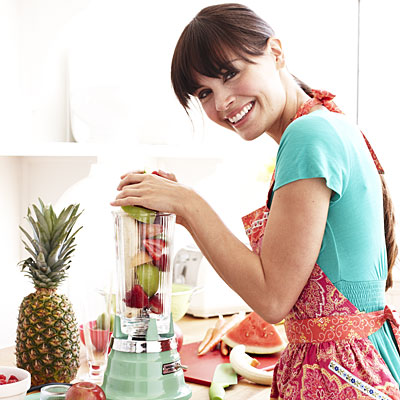
woman-blending-fruit-20501331It’s a familiar story: You pledge to honor a daily elliptical routine and count every last calorie. But soon, you’re eating cupcakes at the office and grabbing happy hour mojitos, thinking, Oops, diet over.
There is a better way: Swap the all-or-nothing approach for one or two healthy switch-ups in your daily routine. "Doing this can lead to more weight loss than you ever imagined," says Marissa Lippert, RD, author of The Cheater’s Diet.
In fact, we talked to readers who knocked off 10, 25, even 60 pounds with some easy tweaks. Borrow their slim-down secrets to transform your body the real-world way.


                                   2-Swap your go-to order

female-doctor-smiling
"I used to eat out at restaurants up to nine times a week! By cutting back to just once a week and ordering a grilled chicken salad instead of a large bowl of pasta, I’ve lost 20 pounds in one month."


                                   3-Skip the salty aisle

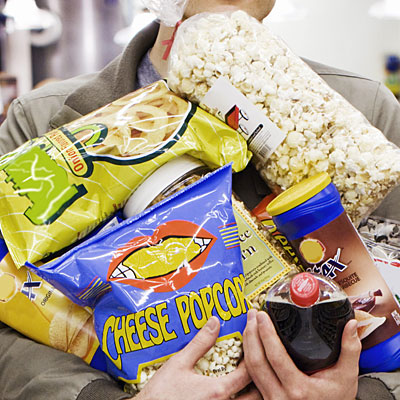
junk-food-pile"I reached my goal weight after I stopped routinely buying snacks at the grocery store. If I wanted a bag of chips or a candy bar, I had to walk to the store to get it. That inconvenience usually made me ignore my cravings."


                                 4-Have a 300-calorie breakfast

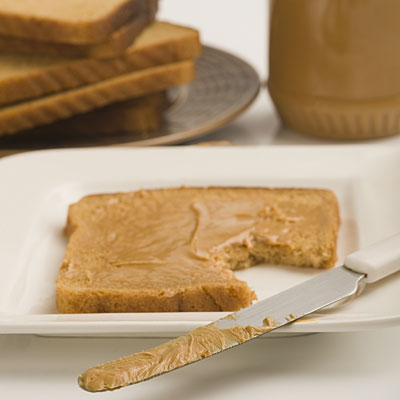
peanutbutter-toast-knife"I used to skip breakfast, but now I never go without. I always eat about 300 calories of a healthy mix of protein and whole grains. My go-to meal: a sandwich with natural peanut butter and apple butter. It keeps my hunger down so I snack less throughout the day. In a little over a year, I’ve shed 65 pounds."


                                5-Run your butt off

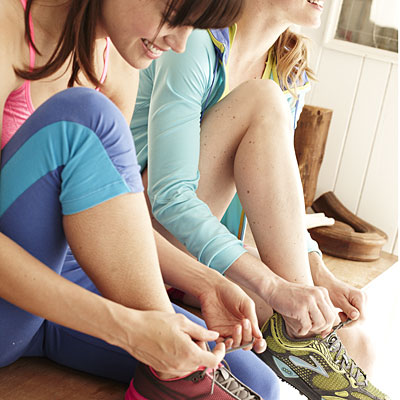
women-knotting-sneakers-20501331"When I wanted to fit into my skinny jeans again, I started running 20 minutes a day during my lunch hour. In two months, I’ve lost 20 pounds, have tons of energy, and just finished my first 5K. Those jeans? They’re too big now!"

No More Chicken Nuggets! 5 Healthy Alternatives to Fast Food

| Leave a comment...0 commentaires
chicken-nuggets-400x400

You probably saw the news this week about what’s really in chicken nuggets. Researchers at University of Mississippi Medical Center performed what they called an “autopsy” of nuggets from two different national fast food chains and found that chicken meat was not the predominate component–in fact, fat made up an equal or greater portion of the nuggets, in addition to bone, nerve, and connective tissue. Lovely, huh? If you’re grossed out enough to say sayonara to fast food all together (virtual high five!), I have several still quick, but much healthier alternatives.
Supermarket smorgasbord
Grocery stores are generally in the same vicinity as fast food joints. So rather than pulling into a drive-through, pop into the supermarket and stroll through the express line. Most chains now have prepared food sections, with ready-to-eat options like chilled vegetable salads and grilled salmon. Other healthy items that don’t require prep include baby carrots and hummus, mini bananas, and nuts.
Fast casual
The concept of fast casual is ‘fresh food fast,’ and establishments that fit the bill, including Chipotle, Panera Bread, and Pei Wei are popping up all over. Many of these restaurants serve up freshly prepared dishes, made-in-house, with ingredient lists that read like a recipe from a healthy cookbook. For example, the chicken at Chipotle is made from hormone and antibiotic free chicken, water, chipotle chili, rice bran oil, cumin, garlic, oregano, black pepper, and salt. (Note: according to the web site, some cities use soybean oil.) To be sure of what you’re getting, hop online, check out the nutrition facts, and always read ingredient lists. One of my favorite go-tos is a Chipotle salad, made with Romaine lettuce, fajita veggies, black beans, mild salsa, and guacamole. Super satisfying, and about as quick and clean as it gets.
Pack a meal
If you tend to be stuck with lesser-of-various-evil options, invest in an insulated lunch sack, and toss in a meal you can whip up in a jiffy. For example, in a sealable container, combine a few handfuls of veggies, like grape tomatoes, chopped red onion, baby spinach leaves, and sliced mushrooms, and a small scoop each of quinoa and chickpeas. Sprinkle with Italian herb seasoning, drizzle with a little extra virgin olive oil and balsamic vinegar, close the lid, give it a shake, and toss it in the bag. Easy peasy.
Whipped up options
Smoothies aren’t just for breakfast. Whipping one up and taking it with you can be a great way to sidestep processed alternatives. For the best nutritional balance, and to stay full and satisfied, include a combination of good carbs, lean protein, and healthy fat. Reach for: frozen fruit and a handful of leafy greens; organic skim milk or almond milk and a plant-based protein powder like pea protein; a dollop of almond butter; and a small scoop of old fashioned rolled oats. To add flavor, aroma, and an extra dose of antioxidants, season your smoothie with spices, like cinnamon or ginger. For convenience, make a few smoothies at a time, stock them in the freezer, then transfer to the fridge to thaw a bit before you head out the door.
Make ahead re-heats
Many of my clients have time to cook on weekends, but not so much during the week. To resist the temptation to grab fast food or order take-out Monday through Friday, I recommend making “homemade frozen dinners” that can be re-heated when needed, from soup or chili to stuffed peppers. Simple stews are another great option. For a single serving, sauté a few cups of veggies in a saucepan, in a little extra virgin olive oil, along with minced garlic and herbs. Add low sodium organic vegetable broth, bring to a quick boil, then reduce to a simmer. Add a small scoop of a healthy starch, like wild rice or cubed baked sweet potato, and a cooked lean protein, such as lentils, cubed chicken breast, or extra lean ground turkey. Ladle into a BPA free freezable container, and your future meal will be ready in minutes.

samedi 12 octobre 2013

45 Best Health Tips Ever [ Healthytps ]

| Leave a comment...0 commentaires

We've done the legwork for you and here they are: the 45 best health tips. Give yourself a boost.

We've done the legwork for you and here they are: the 45 best health tips. Make that 46 - taking the time to read this tops the list.
1. Copy your kitty: Learn to do stretching exercises when you wake up. It boosts circulation and digestion, and eases back pain.
2. Don’t skip breakfast. Studies show that eating a proper breakfast is one of the most positive things you can do if you are trying to lose weight. Breakfast skippers tend to gain weight. A balanced breakfast includes fresh fruit or fruit juice, a high-fibre breakfast cereal, low-fat milk or yoghurt, wholewheat toast, and a boiled egg.
3. Brush up on hygiene. Many people don't know how to brush their teeth properly. Improper brushing can cause as much damage to the teeth and gums as not brushing at all. Lots of people don’t brush for long enough, don’t floss and don’t see a dentist regularly. Hold your toothbrush in the same way that would hold a pencil, and brush for at least two minutes. This includes brushing the teeth, the junction of the teeth and gums, the tongue and the roof of the mouth. And you don't need a fancy, angled toothbrush – just a sturdy, soft-bristled one that you replace each month.
4. Neurobics for your mind. Get your brain fizzing with energy. American researchers coined the term ‘neurobics’ for tasks which activate the brain's own biochemical pathways and to bring new pathways online that can help to strengthen or preserve brain circuits. Brush your teeth with your ‘other’ hand, take a new route to work or choose your clothes based on sense of touch rather than sight. People with mental agility tend to have lower rates of Alzheimer's disease and age-related mental decline.
5. Get what you give! Always giving and never taking? This is the short road to compassion fatigue. Give to yourself and receive from others, otherwise you’ll get to a point where you have nothing left to give. And hey, if you can’t receive from others, how can you expect them to receive from you?
6. Get spiritual. A study conducted by the formidably sober and scientific Harvard University found that patients who were prayed for recovered quicker than those who weren’t, even if they weren’t aware of the prayer.
7. Get smelly. Garlic, onions, spring onions and leeks all contain stuff that’s good for you. A study at the Child’s Health Institute in Cape Town found that eating raw garlic helped fight serious childhood infections. Heat destroys these properties, so eat yours raw, wash it down with fruit juice or, if you’re a sissy, have it in tablet form.
8. Knock one back. A glass of red wine a day is good for you. A number of studies have found this, but a recent one found that the polyphenols (a type of antioxidant) in green tea, red wine and olives may also help protect you against breast cancer. It’s thought that the antioxidants help protect you from environmental carcinogens such as passive tobacco smoke.
9. Bone up daily. Get your daily calcium by popping a tab, chugging milk or eating yoghurt. It’ll keep your bones strong. Remember that your bone density declines after the age of 30. You need at least 200 milligrams daily, which you should combine with magnesium, or it simply won’t be absorbed.
10. Berries for your belly. Blueberries, strawberries and raspberries contain plant nutrients known as anthocyanidins, which are powerful antioxidants. Blueberries rival grapes in concentrations of resveratrol – the antioxidant compound found in red wine that has assumed near mythological proportions. Resveratrol is believed to help protect against heart disease and cancer.
11. Curry favour. Hot, spicy foods containing chillies or cayenne pepper trigger endorphins, the feel-good hormones. Endorphins have a powerful, almost narcotic, effect and make you feel good after exercising. But go easy on the lamb, pork and mutton and the high-fat, creamy dishes served in many Indian restaurants.
12. Cut out herbs before ops. Some herbal supplements – from the popular St John's Wort and ginkgo biloba to garlic, ginger, ginseng and feverfew – can cause increased bleeding during surgery, warn surgeons. It may be wise to stop taking all medication, including herbal supplements, at least two weeks before surgery, and inform your surgeon about your herbal use.
13. I say tomato. Tomato is a superstar in the fruit and veggie pantheon. Tomatoes contain lycopene, a powerful cancer fighter. They’re also rich in vitamin C. The good news is that cooked tomatoes are also nutritious, so use them in pasta, soups and casseroles, as well as in salads. The British Thoracic Society says that tomatoes and apples can reduce your risk of asthma and chronic lung diseases. Both contain the antioxidant quercetin. To enjoy the benefits, eat five apples a week or a tomato every other day.
14. Eat your stress away. Prevent low blood sugar as it stresses you out. Eat regular and small healthy meals and keep fruit and veggies handy. Herbal teas will also soothe your frazzled nerves. Eating unrefined carbohydrates, nuts and bananas boosts the formation of serotonin, another feel-good drug. Small amounts of protein containing the amino acid tryptamine can give you a boost when stress tires you out.
15. Load up on vitamin C.We need at least 90 mg of vitamin C per day and the best way to get this is by eating at least five servings of fresh fruit and vegetables every day. So hit the oranges and guavas!
16. No folly in folic acid. Folic acid should be taken regularly by all pregnant mums and people with a low immunity to disease. Folic acid prevents spina bifida in unborn babies and can play a role in cancer prevention. It is found in green leafy vegetables, liver, fruit and bran.
17. A for Away. This vitamin, and beta carotene, help to boost immunity against disease. It also assists in the healing process of diseases such as measles and is recommended by the WHO. Good natural sources of vitamin A are kidneys, liver, dairy products, green and yellow vegetables, pawpaw, mangoes, chilli pepper, red sorrel and red palm oil.
18. Pure water. Don’t have soft drinks or energy drinks while you're exercising. Stay properly hydrated by drinking enough water during your workout (just don't overdo things, as drinking too much water can also be dangerous). While you might need energy drinks for long-distance running, in shorter exercise sessions in the gym, your body will burn the glucose from the soft drink first, before starting to burn body fat. Same goes for eating sweets.
19. GI, Jane. Carbohydrates with a high glycaemic index, such as bread, sugar, honey and grain-based food will give instant energy and accelerate your metabolism. If you’re trying to burn fat, stick to beans, rice, pasta, lentils, peas, soya beans and oat bran, all of which have a low GI count.
20. Mindful living. You've probably heard the old adage that life's too short to stuff a mushroom. But perhaps you should consider the opposite: that life's simply too short NOT to focus on the simple tasks. By slowing down and concentrating on basic things, you'll clear your mind of everything that worries you. Really concentrate on sensations and experiences again: observe the rough texture of a strawberry's skin as you touch it, and taste the sweet-sour juice as you bite into the fruit; when your partner strokes your hand, pay careful attention to the sensation on your skin; and learn to really focus on simple tasks while doing them, whether it's flowering plants or ironing your clothes.
21. The secret of stretching. When you stretch, ease your body into position until you feel the stretch and hold it for about 25 seconds. Breathe deeply to help your body move oxygen-rich blood to those sore muscles. Don't bounce or force yourself into an uncomfortable position.
22. Do your weights workout first. Experts say weight training should be done first, because it's a higher intensity exercise compared to cardio. Your body is better able to handle weight training early in the workout because you're fresh and you have the energy you need to work it. Conversely, cardiovascular exercise should be the last thing you do at the gym, because it helps your body recover by increasing blood flow to the muscles, and flushing out lactic acid, which builds up in the muscles while you're weight training. It’s the lactic acid that makes your muscles feel stiff and sore.
23. Burn fat during intervals. To improve your fitness quickly and lose weight, harness the joys of interval training. Set the treadmill or step machine on the interval programme, where your speed and workload varies from minute to minute. Build up gradually, every minute and return to the starting speed. Repeat this routine. Not only will it be less monotonous, but you can train for a shorter time and achieve greater results.
24. Your dirtiest foot forward. If your ankles, knees, and hips ache from running on pavement, head for the dirt. Soft trails or graded roads are a lot easier on your joints than the hard stuff. Also, dirt surfaces tend to be uneven, forcing you to slow down a bit and focus on where to put your feet – great for agility and concentration.
25. Burn the boredom, blast the lard. Rev up your metabolism by alternating your speed and intensity during aerobic workouts. Not only should you alternate your routine to prevent burnout or boredom, but to give your body a jolt. If you normally walk at 6.5km/h on the treadmill or take 15 minutes to walk a km, up the pace by going at 8km/h for a minute or so during your workout. Do this every five minutes or so. Each time you work out, increase your bouts of speed in small increments.
26. Cool off without a beer. Don’t eat carbohydrates for at least an hour after exercise. This will force your body to break down body fat, rather than using the food you ingest. Stick to fruit and fluids during that hour, but avoid beer.
27. ‘Okay, now do 100 of those’. Instead of flailing away at gym, enlist the help – even temporarily – of a personal trainer. Make sure you learn to breathe properly and to do the exercises the right way. You’ll get more of a workout while spending less time at the gym.
28. Stop fuming. Don’t smoke and if you smoke already, do everything in your power to quit. Don’t buy into that my-granny-smoked-and-lived-to-be-90 crud – not even the tobacco giants believe it. Apart from the well-known risks of heart disease and cancer, orthopaedic surgeons have found that smoking accelerates bone density loss and constricts blood flow. So you could live to be a 90-year-old amputee who smells of stale tobacco smoke. Unsexy.
29. Ask about Mad Aunt Edith. Find out your family history. You need to know if there are any inherited diseases prowling your gene pool. According to the Mayo Clinic, USA, finding out what your grandparents died of can provide useful – even lifesaving – information about what’s in store for you. And be candid, not coy: 25 percent of the children of alcoholics become alcoholics themselves.
30. Do self-checks. Do regular self-examinations of your breasts. Most partners are more than happy to help, not just because breast cancer is the most common cancer among SA women. The best time to examine your breasts is in the week after your period.
31. My smear campaign. Have a pap smear once a year. Not on our list of favourite things, but it’s vital. Cervical cancer kills 200 000 women a year and it’s the most prevalent form of cancer among black women, affecting more than 30 percent. But the chances of survival are nearly 100 percent if it’s detected early. Be particularly careful if you became sexually active at an early age, have had multiple sex partners or smoke.
32. Understand hormones. Recent research suggests that short-term (less than five years) use of HRT is not associated with an increase in the risk of breast cancer, but that using it for more than ten years might be. Breast cancer is detected earlier in women using HRT, as they are more alert to the disease than other women.
32. Beat the sneezes. There are more than 240 allergens, some rare and others very common. If you’re a sneezer due to pollen: close your car’s windows while driving, rather switch on the internal fan (drawing in air from the outside), and avoid being outdoors between 5am and 10 am when pollen counts are at their highest; stick to holidays in areas with low pollen counts, such as the seaside and stay away from freshly cut grass.
33. Doggone. If you’re allergic to your cat, dog, budgie or pet piglet, stop suffering the ravages of animal dander: Install an air filter in your home. Keep your pet outside as much as possible and brush him outside of the home to remove loose hair and other allergens. Better yet, ask someone else to do so.
34. Asthma-friendly sports. Swimming is the most asthma-friendly sport of all, but cycling, canoeing, fishing, sailing and walking are also good, according to the experts. Asthma need not hinder peak performance in sport. 11 percent of the US Olympic team were asthmatics – and between them they won 41 medals.
35. Deep heat. Sun rays can burn even through thick glass, and under water. Up to 35 percent of UVB rays and 85 percent of UVA rays penetrate thick glass, while 50 percent of UVB rays and 77 percent of UVA rays penetrate a meter of water and wet cotton clothing. Which means you’ll need sunscreen while driving your car on holiday, and water resistant block if you’re swimming.
36. Fragrant ageing. Stay away from perfumed or flavoured suntan lotions which smell of coconut oil or orange if you want your skin to stay young. These lotions contain psoralen, which speeds up the ageing process. Rather use a fake-tan lotion. Avoid sun beds, which are as bad as the sun itself.
37. Sunscreen can be a smokescreen. Sunscreen is unlikely to stop you from being sunburned, or to reduce your risk of developing skin cancer. That’s because most people don’t apply it properly, and stay in the sun too long. The solution? Slather on sunscreen daily and reapply it often, especially if you’ve been in the water. How much? At least enough to fill a shot glass.
38. Laugh and cry. Having a good sob is reputed to be good for you. So is laughter, which has been shown to help heal bodies, as well as broken hearts. Studies in Japan indicate that laughter boosts the immune system and helps the body shake off allergic reactions.
39. It ain’t over till it’s over. End relationships that no longer work for you, as you could be spending time in a dead end. Rather head for more meaningful things. You could be missing opportunities while you’re stuck in a meaningless rut, trying to breathe life into something that is long gone.
40. Strong people go for help. Ask for assistance. Gnashing your teeth in the dark will not get you extra brownie points. It is a sign of strength to ask for assistance and people will respect you for it. If there is a relationship problem, the one who refuses to go for help is usually the one with whom the problem lies to begin with.
41. Save steamy scenes for the bedroom. Showering or bathing in water that’s too hot will dry out your skin and cause it to age prematurely. Warm water is much better. Apply moisturiser while your skin is still damp – it’ll be absorbed more easily. Adding a little olive oil to your bath with help keep your skin moisturised too.
42. Here’s the rub. Improve your circulation and help your lymph glands to drain by the way you towel off. Helping your lymph glands function can help prevent them becoming infected. When drying off your limbs and torso, brush towards the groin on your legs and towards the armpits on your upper body. You can do the same during gentle massage with your partner.
43. Sugar-coated. More than three million South Africans suffer from type 2 diabetes, and the incidence is increasing – with new patients getting younger. New studies show this type of diabetes is often part of a metabolic syndrome (X Syndrome), which includes high blood pressure and other risk factors for heart disease. More than 80 percent of type 2 diabetics die of heart disease, so make sure you control your glucose levels, and watch your blood pressure and cholesterol counts.
44. Relax, it’s only sex. Stress and sex make bad bedfellows, it seems. A US survey showed that stress, kids and work are main factors to dampen libido. With the advent of technology that allows us to work from home, the lines between our jobs and our personal lives have become blurred. People work longer hours, commutes are longer and work pervades all aspects of our lives, including our sexual relationships. Put nooky and intimacy on the agenda, just like everything else.
45. Good night, sweetheart. Rest heals the body and has been shown to lessen the risk of heart trouble and psychological problems.

Digestive health

| Leave a comment...0 commentaires

What is Digestive health?

Digestion involves mixing food with digestive juices, moving it through the digestive tract, and breaking down large molecules of food into smaller molecules. Digestion begins in the mouth, when you chew and swallow, and is completed in the small intestine. Common digestive disorders include ulcerative colitis, gastritis, constipation, diarrhoea, hiatus hernia, worms, Crohn’s disease, diverticulosis and diverticulitis, haemorrhoids and colon polyps. Diarrhoea can be caused by a wide variety of factors and agents. Spoilt food that has either started to ferment or gone sour, or is infected with microorganisms (both bacteria and viruses) is a common cause of diarrhoea. Constipation occurs when stools become hardened and difficult to pass. Irritable bowel syndrome (IBS) or spastic colon is one of the most common gastrointestinal disorders.